request to quote
Leave Your Message
0%

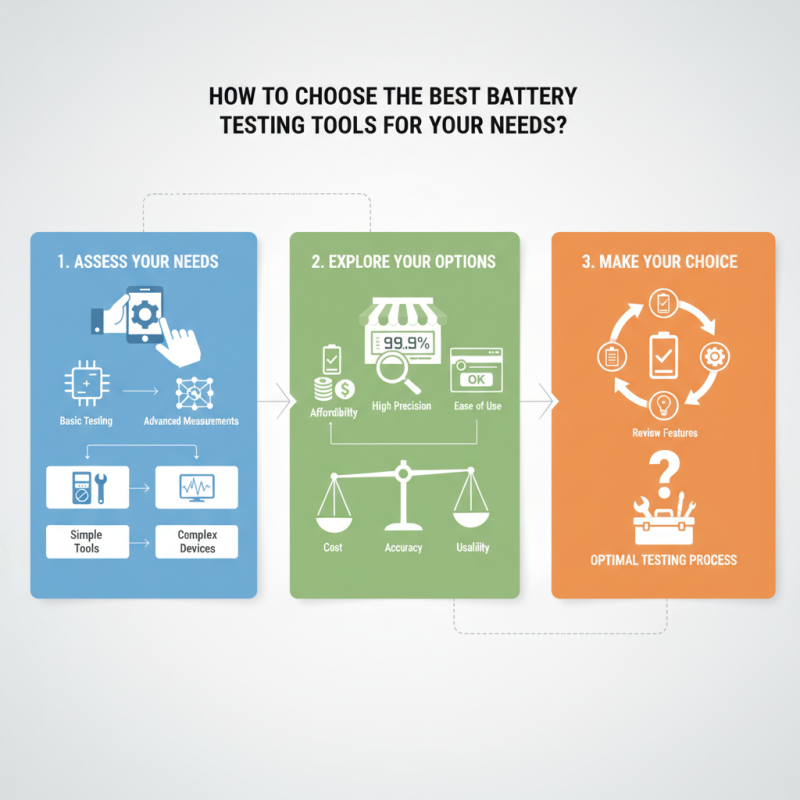
When you're picking out the right Battery Testing Tools, it’s really about understanding what *you* actually need. Different jobs call for different features, you know? For instance, if you’re just doing some basic checks, a simple multimeter might do the trick. But if you’re dealing with more complex setups, then you probably want something more advanced to get accurate readings.

There are plenty of companies out there offering all sorts of Battery Testing Tools. Some are super budget-friendly, while others focus on delivering top-notch precision. So, think about what matters most to you. Is it accuracy? Ease of use? Or saving a few bucks? Just a heads up—every choice has its pros and cons. You might find a tool that’s really good in one area but a bit lacking in another.

As you start exploring your options, take a moment to consider how each tool will fit into your workflow. Having the right equipment can make a big difference in your projects. And hey, don’t stress about finding the *perfect* tool—sometimes it just doesn’t exist. Stay open-minded, look at the features that will actually boost your testing process, and go from there.

How to Choose the Best Battery Testing Tools for Your Needs?

Understanding Different Types of Battery Testing Tools

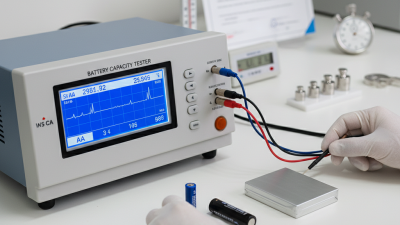
When selecting battery testing tools, it's essential to understand the various types available. There are several key categories, including Load Testers, conductance testers, and multimeters. Load testers assess a battery’s performance under a simulated load. According to recent data from the Battery Council International, nearly 50% of batteries fail testing due to insufficient load capacity.

Conductance testers offer another approach. They measure a battery's internal resistance and provide insights into its overall health. Reports indicate that 30% of battery failures occur due to internal issues that these tools can identify early. Multimeters are versatile instruments, allowing users to measure voltage, current, and resistance. They are particularly useful for simple battery checks.

**Tip:** Always match the testing tool to your specific battery type. Not all batteries require the same testing methods.

It’s important to reflect on the accuracy of your equipment. A faulty tool can lead to unreliable results. In a recent study, over 20% of users reported discrepancies when relying on outdated or poorly calibrated tools. Regular recalibration is crucial for maintaining accuracy.

**Tip:** Invest in regular training for using testing tools. Knowledge is key in avoiding mishaps. Understanding your tools can save you time and money in the long run.

Battery Testing Tools Comparison

Key Features to Look for in Battery Testers

When choosing battery testing tools, key features matter greatly. Look for versatility first. Some testers are designed just for lead-acid batteries. Others work better with Lithium Ion Battery Testing Equipment. A multi-functional tester allows for wider applications. This can save you time and money.

Next, consider the accuracy of the readings. Precision is essential for reliable results. Various testers offer different levels of accuracy. Make sure the range meets your specific needs. Sometimes, cheaper models may not provide the precision you desire. This is crucial if you work on critical projects.

Portability can also be a deciding factor. If you need to test batteries on the go, lighter and compact options are ideal. Not all testers are easy to transport. Weight and size can impact your efficiency. Finally, check the user interface. It should be intuitive and easy to read. Complex displays can lead to mistakes. A straightforward design makes battery testing simpler and more efficient.

Evaluating the Accuracy and Reliability of Battery Testing Tools

When selecting battery testing tools, accuracy is paramount. A reliable Battery Testing System should provide clear, consistent readings. Variability can lead to incorrect assessments. Consider tools that offer digital displays. They tend to reduce human error. Look for features like automatic calibration. This helps maintain accuracy over time.

Evaluate the tool's performance in real-world conditions. Lab environments can differ from actual use cases. It’s crucial to see how the system responds under various loads. Testimonials and user reviews can shed light on this aspect. Sometimes, a tool may look great on paper but perform poorly in practice.

Also, reflect on the range of batteries you need to test. Different chemistries behave differently. Ensure the battery testing system can handle this variety. Inadequate tools can skew your results. Always question the reliability of your equipment. Continuous improvement should be the goal in your testing processes.

Considerations for Battery Tester Compatibility with Various Battery Types

When selecting battery testing tools, compatibility is key. Different battery types require different testing equipment. For example, Lithium-Ion Battery Testing Equipment must be able to handle the specific chemistry of lithium-ion cells. Many testers fall short in this aspect. They may provide inaccurate readings or fail to test certain battery types effectively.

Many users overlook this compatibility factor. They buy general testers expecting them to work for everything. However, this approach often leads to frustration. A tester designed for alkaline batteries might not suffice for lithium-ion batteries. It's essential to do thorough research before making a purchase.

Pay attention to the specifications of the testing tools. Some testers only measure voltage, while others assess capacity and internal resistance. These details matter, especially if you need precise measurements. Take your time to evaluate options. Sometimes, spending a bit more on the right tool can save time and ensure accurate results. Just because a tool is popular, doesn’t mean it's perfect for your needs.

How to Choose the Best Battery Testing Tools for Your Needs?

Battery Type Tester Compatibility Voltage Range (V) Test Parameters Key Features
Alkaline Compatible 1.5 Voltage, Capacity Easy to Read Display
Lithium-ion Compatible 3.7 Voltage, Internal Resistance Multiple Test Modes
NiMH Compatible 1.2 Voltage, Capacity Recharge Status Indicator
Lead Acid Compatible 6 / 12 Voltage, Load Test Heavy Duty
Coin Cell Compatible 3 / 3.2 Voltage Compact Design

Budgeting for Battery Testing Tools: Cost vs. Quality

When selecting battery testing tools, balancing cost and quality is essential. Some tools appear cheaper at first glance. However, they may lack essential features. Imagine investing in a low-priced device that fails to provide accurate readings. In contrast, quality tools can ensure reliable results, saving money in the long run.

It's crucial to analyze your specific needs. Consider your testing frequency and environment. A tool for occasional use might not need the same durability as one for regular testing. Think about what you truly require versus what you want. Sometimes, we are tempted by extra features that end up unused. The right choice should enhance productivity without excessive expenditure.

Budgeting means understanding trade-offs. You might find a testing tool that operates well but is slightly more costly. This difference in price could correlate with better accuracy. Reflecting on this can help clarify decisions. A well-chosen tool is an investment, not just a purchase. Always revisit your priorities when assessing options.

How to Read and Interpret Battery Test Results Effectively

How to Choose the Best Battery Testing Tools for Your Needs?

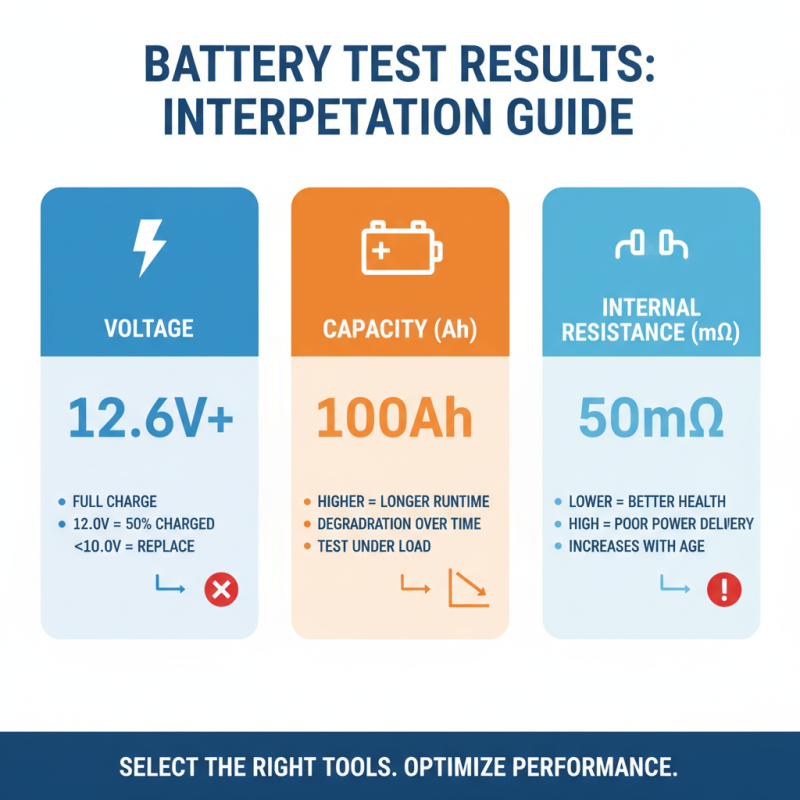
Understanding how to read and interpret battery test results is crucial for selecting the right tools. After conducting a battery test, you’ll receive various results, such as voltage, capacity, and internal resistance. Each of these metrics tells a different story about the battery’s health and performance.

When interpreting the voltage, a reading close to the battery's rated voltage indicates good condition. Low voltage suggests discharge or failure. Capacity tests show how much energy the battery can hold. If this number is significantly lower than expected, it may indicate age or damage. Internal resistance is often overlooked but is equally important. High resistance can point to wear, affecting performance.

Be prepared to face uncertainties in your results. Sometimes, readings do not align with expected values. Factors like temperature and test methodology can skew data. Additionally, if testing different battery types, results may vary widely. This is where deeper understanding and reflection come into play. A single test won't provide a full picture. Regular testing and a trend analysis over time can help clarify potential issues.

Maintenance and Calibration for Longevity of Testing Equipment

How to Choose the Best Battery Testing Tools for Your Needs?

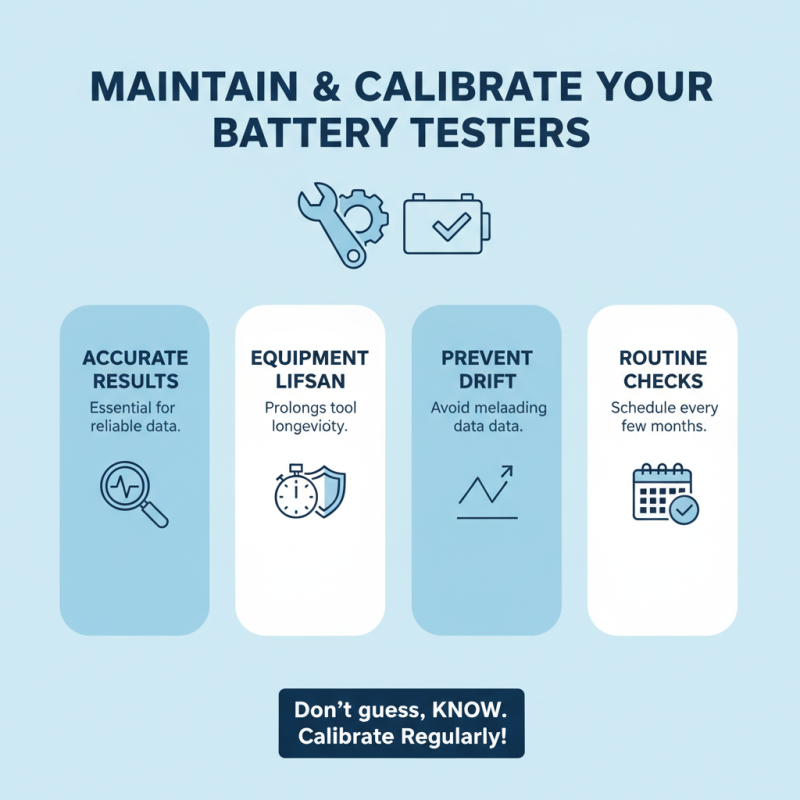
Maintaining and calibrating your battery testing tools is essential. Regular upkeep ensures accurate results and prolongs equipment lifespan. Over time, calibration can drift. If it does, you might get misleading data about battery performance. Therefore, scheduling routine checks is crucial. Make it a habit to test your tools every few months. Replace any incorrect or worn parts immediately.

Battery Pack Testing Equipment often requires attention. Dust and debris can accumulate, affecting performance. Clean your instruments regularly with appropriate tools. This simple step prevents many issues. Don’t overlook minor signs of wear and tear. A small deterioration can lead to significant errors in your tests. Address these before they become major problems.

Documentation is vital for effective maintenance. Keep track of calibration dates and results. If something feels off, refer back to these records. It’s easy to dismiss small inaccuracies. But they can spiral into bigger issues. Ask yourself: are your tools performing at their best? Reflect on your maintenance routines. Continuous improvement is necessary to ensure reliability and longevity in your testing equipment.

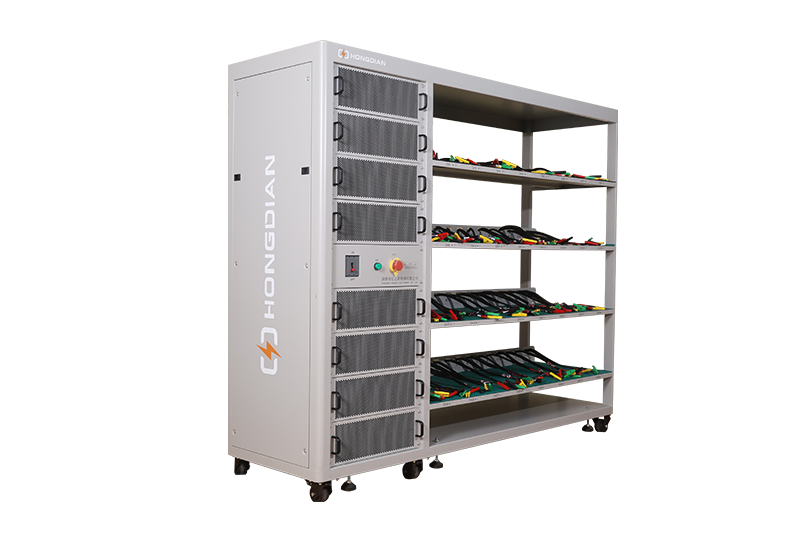
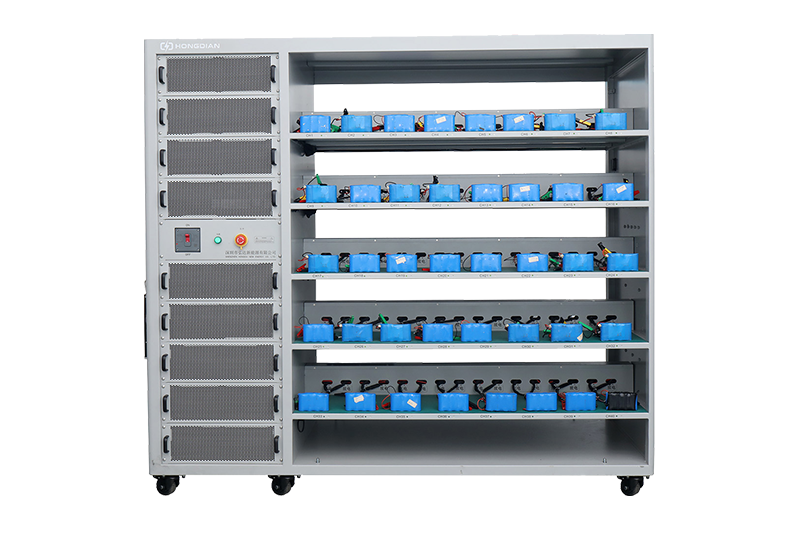
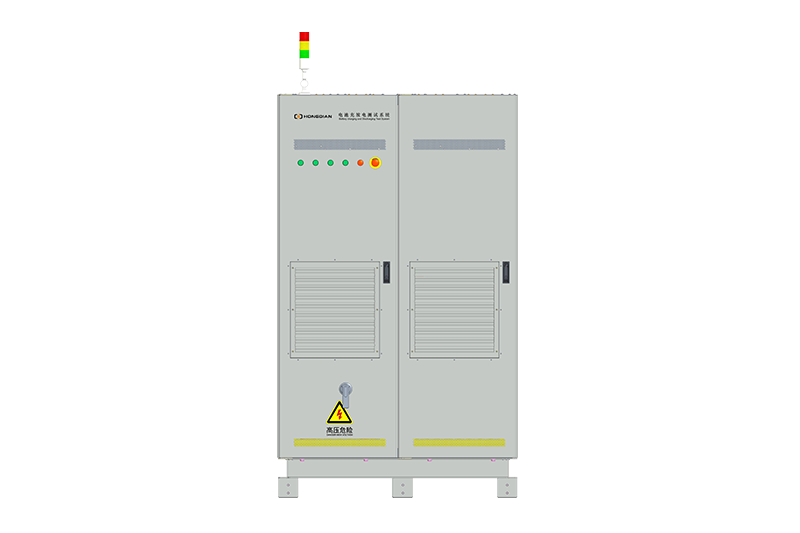
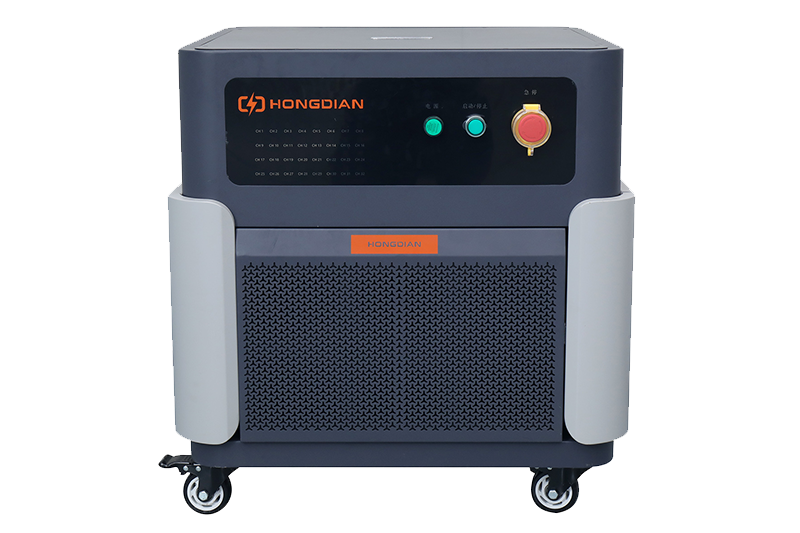
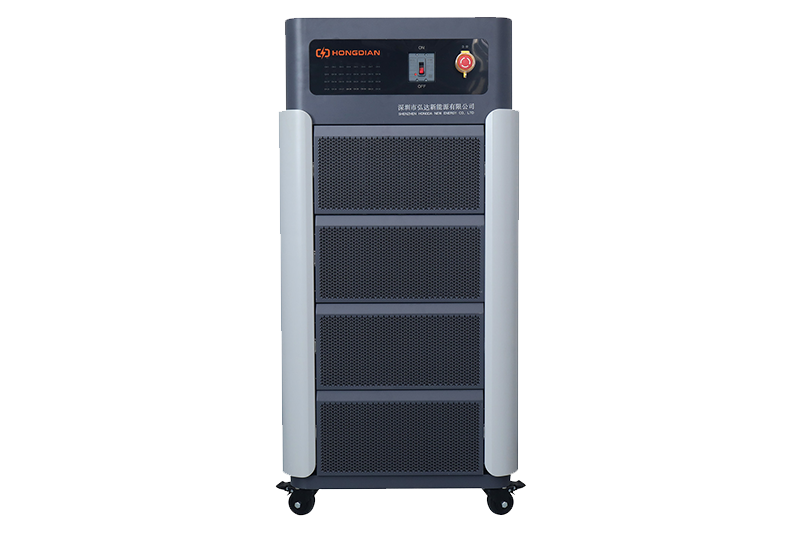
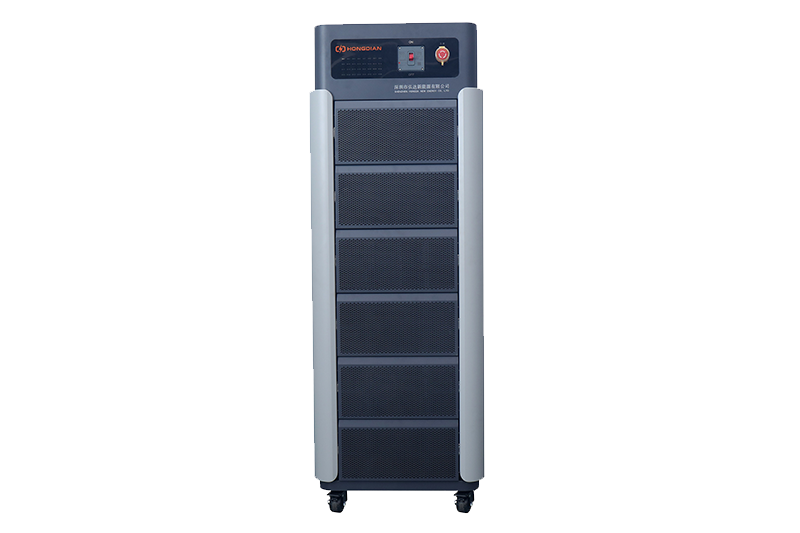
Comprehensive Guide to the 32/48 Channel Integrated Battery Charging and Discharging Test Cabinet

The 32/48 Channel Integrated Battery Charging and Discharging Test Cabinet represents a breakthrough in the realm of energy storage testing. Tailored for a wide range of applications, this system is particularly advantageous for research and development, quality control, and production-line validation. Its design emphasizes flexibility, allowing users to adapt testing configurations to meet specific protocols and requirements, thereby elevating the efficiency and accuracy of battery performance evaluations.

One of the standout features of this testing system is its capability to simultaneously charge and discharge multiple battery cells, enhancing throughput while minimizing testing time. Users can configure the channels according to their unique needs, accommodating a variety of battery chemistries and sizes. This inherent customizability ensures that researchers and engineers can conduct comprehensive analyses without compromising on data integrity, making it an invaluable tool for advancing energy storage technology. The system's sophisticated control mechanisms and robust data logging capabilities further support meticulous testing processes, ensuring reliable and reproducible results across different testing scenarios.

FAQS

: What should I consider before starting a new project?

: Assess your goals and available resources. Ensure you have a clear plan. Research potential challenges.

How can I improve my time management?

Prioritize your tasks daily. Use a planner or digital tools. Avoid multitasking to enhance focus.

What are effective ways to handle stress?

Practice mindfulness techniques. Regular exercise is beneficial. Take breaks and seek support from friends.

How do I ensure a team works effectively?

Establish clear communication channels. Encourage collaboration. Set mutual goals and provide feedback.

What common mistakes do people make in projects?

Poor planning is a frequent issue. Ignoring team input can create problems. Failing to adjust can lead to failures.

How can I maintain motivation?

Set small, achievable goals. Celebrate small victories. Surround yourself with supportive and positive people.

Conclusion

When selecting the best Battery Testing Tools, it's essential to understand the various types available. Each tool serves a specific purpose, whether for measuring voltage, capacity, or overall health of batteries. Key features to consider include user-friendliness, display clarity, and the range of tested battery types. Accuracy and reliability are crucial, as incorrect readings can lead to poor decision-making regarding battery use and replacement.

Compatibility with different battery types is also a significant factor; ensure the tool meets your specific requirements. Budget considerations should balance cost with quality, as investing in high-quality Battery Testing Tools can improve long-term outcomes. Lastly, knowing how to read and interpret test results effectively, along with maintaining and calibrating your equipment, will ensure the longevity and effectiveness of your testing tools.

Lila

Lila

Lila is a dedicated marketing professional at Shenzhen Hongda New Energy Co., Ltd., where she has become an integral part of the company’s growth and outreach. Since its inception, Hongda New Energy has rapidly expanded its business, successfully serving over a thousand clients and establishing a......
Previous Unlock Global Opportunities with Acid Battery Testers at the 137th Canton Fair