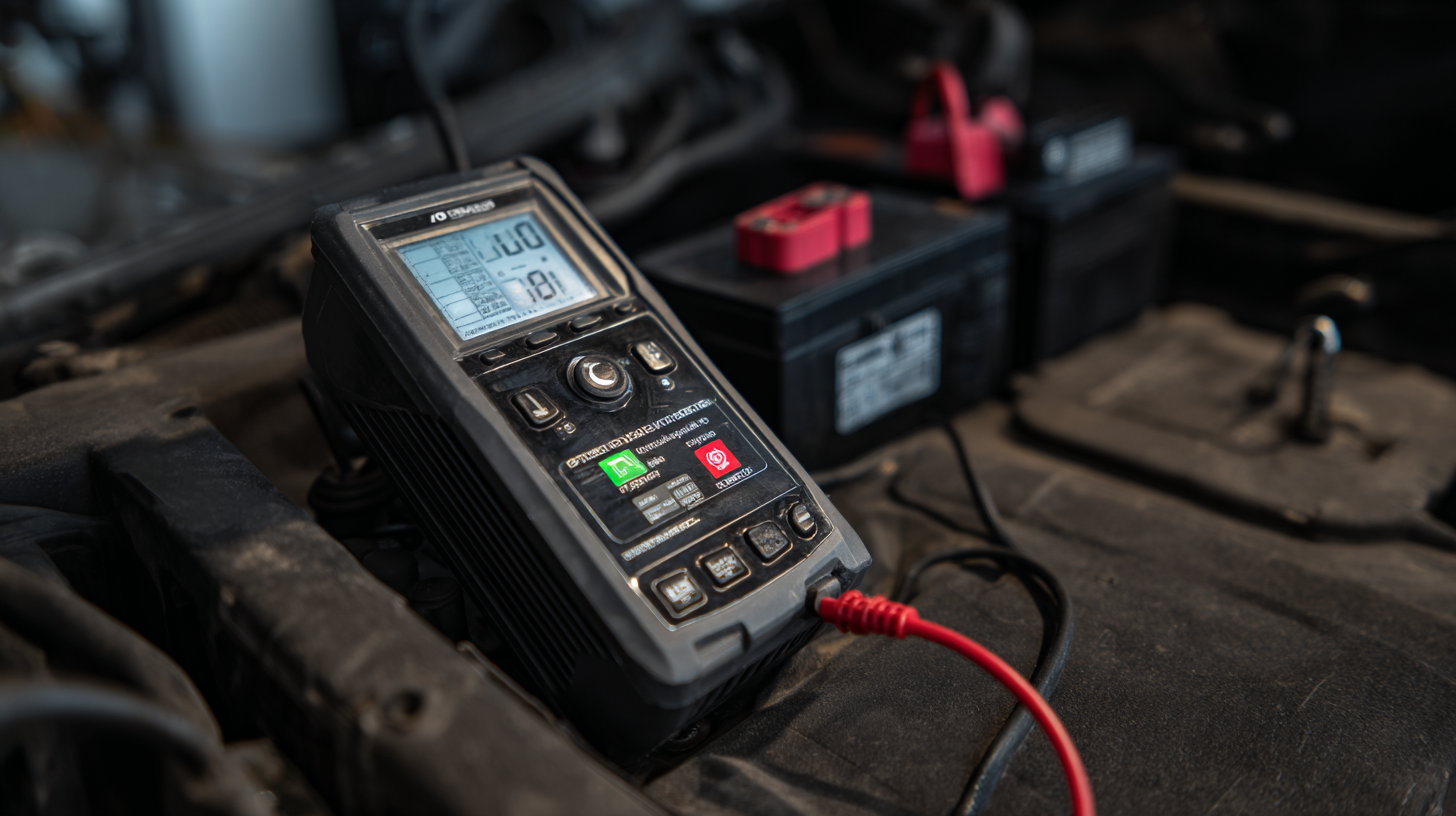
In today’s super fast-moving tech world, it’s pretty clear that having reliable energy sourcesis more important than ever. A report from Berg Insight points out that the global market for Battery Testing Equipment—like digital testers—is about to see some serious growth. It just goes to show how much demand there’s forbetter battery management solutions these days.
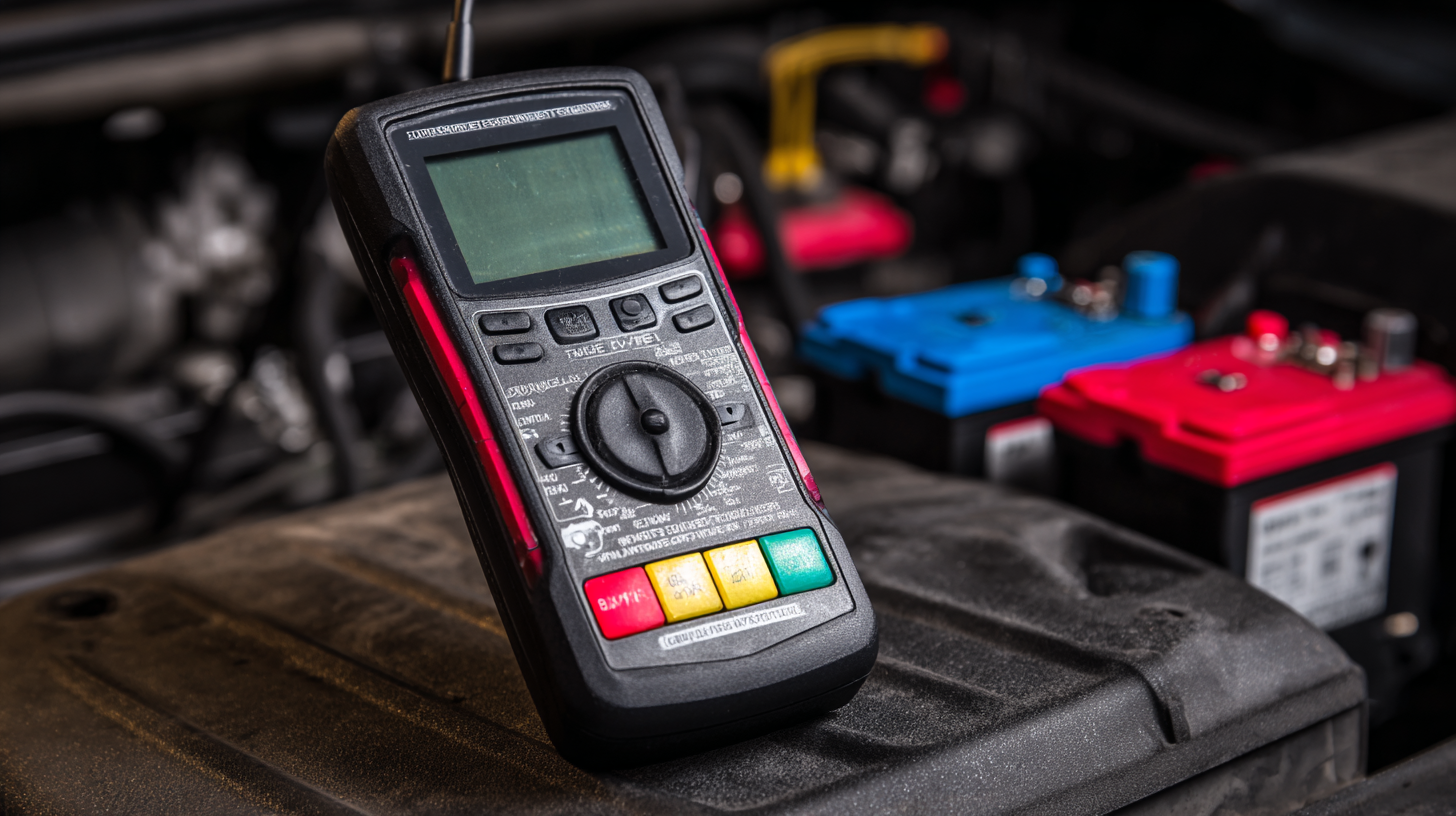
Take Shenzhen Hongda New Energy Co., Ltd., for example—this company has really made a name for itself by expanding its reach and now serves over a thousand customers across various countries and regions. Using a Digital battery tester regularly isn’t just about keeping things running smoothly; it also helpsextend the lifespan of your devices, reducing downtime and maintenance headaches. As more industries become dependent on batteries, making routine testing part of the game will be key to staying efficient and ensuring your power sources stay reliable. Honestly, staying on top of battery health is a smart move in today’s tech-driven landscape.
The Significance of Regular Battery Testing for Optimal Performance
You know, keeping tabs on your batteries with regular tests is pretty important if you want your devices to run smoothly. Over time, batteries tend to wear out, which can mess with how well they keep a charge. Using a digital battery tester is actually super handy—it's a simple way to check the voltage and see how healthy your batteries really are. Doing this regularly isn’t just about catching those dead batteries early; it also means you can swap them out before they cause any issues, so your gadgets stay efficient and reliable.
Plus, keeping up with battery testing can really help stretch their lifespan. When you pay attention to performance trends, it’s easier to avoid doing things that speed up wear, like letting batteries drain completely or exposing them to extreme heat or cold. By staying on top of their health, you not only make your devices last longer but also use energy more wisely, which is better for the environment too. Honestly, setting up a routine for battery checks gives you peace of mind—knowing your devices will be ready whenever you need them most. It’s a win-win all around!
Key Statistics on Battery Lifespan and Efficiency
You know, when it comes to batteries—especially lithium-ion ones—regular testing is such a big deal. It’s basically the key to keeping them running smoothly and making them last longer. These batteries are popping up everywhere now, from data centers to electric vehicles, and their importance is only growing. Just take a look at recent stats: the global market for lithium-ion batteries in data centers is expected to leap from around $5.2 billion in 2024 to nearly $17.7 billion by 2034. That’s a huge jump, mostly because there’s such a big demand for better power storage and new battery tech. It’s pretty exciting, honestly.
Keeping tabs on battery health is directly linked to how well data centers perform. Using advanced methods to check the State of Health (or SOH) of these batteries isn’t just about safety — it’s about getting the most out of them and making sure they last. With the UPS (Uninterruptible Power Supply) market in data centers expected to grow from about $8.9 billion in 2024 to over $20 billion by 2030, ensuring your batteries are reliable is more important than ever. Plus, there’s a lot happening with new battery designs and recycling methods—these innovations are game changers. That’s why regular battery testing isn’t just a good idea; it’s absolutely essential in these high-stakes settings to keep everything running smoothly and efficiently.
Understanding Different Types of Battery Testers: A Comparative Analysis
When you're looking into battery testers, it's pretty important to get what types are out there—whether for personal projects or professional stuff. Basically, battery testers come in a few different flavors, each with their own tricks and features. For example, the classic analog testers are super simple and straightforward, but they might not be super precise. On the flip side, the newer digital testers are pretty advanced—they use smart algorithms and even some machine learning to give you better accuracy, especially when it comes to estimating how much capacity a battery still has by looking at partial charging curves. From what I’ve read, this tech not only speeds up testing but also gives you a better idea of how healthy your batteries really are—something that’s becoming more important as batteries are used more and more in things like electric vehicles.
The market for battery testing gear is growing fast, especially with electric cars taking off. Experts say it’s gonna hit around 9.51 billion USD by 2030, growing at about 19% each year. This boom is mainly because people want more electric vehicles, and there are tighter standards about how well batteries need to perform. Also, studies keep showing that the way lithium-ion batteries are designed really impacts how easily they can be recycled. That makes choosing the right testing tools even more crucial if you want to keep tabs on battery health properly. As battery tech keeps changing and getting better, adopting smarter, more advanced testing methods is definitely the way to go—both for getting the best performance and helping out the environment.
Understanding the Importance of Regularly Testing Your Batteries with a Digital Battery Tester
Best Practices for Using Digital Battery Testers Effectively
Looking after your batteries so they last longer and work smoothly isn’t rocket science—using a digital battery tester really makes things easier. A good habit is to check your batteries every few months, especially if they’re powering something important. Trust me, catching a weak or dying battery early can save you a lot of headaches down the line. It’s a small step that pays off by keeping your gadgets running reliably.
Also, it’s worth taking some time to get familiar with how your digital tester works. They can do all sorts of cool stuff—measure voltage, do load tests, or even tell you if your battery’s actually healthy. Knowing how to use those features properly means your results will be way more accurate. Don’t forget to keep your tester calibrated and stored properly too—it might sound minor, but it makes a real difference in getting consistent readings. Basically, a bit of care and knowing your tools goes a long way in keeping your batteries in check and avoiding surprises.
Industry Standards for Battery Maintenance and Testing Frequency
Taking good care of your batteries with regular maintenance is super important if you want them to last and work reliably. The folks over at the International Electrotechnical Commission (IEC) recommend testing your batteries at least every three to six months, but honestly, it depends on how often you use them and where you keep them. The National Renewable Energy Laboratory (NREL) points out that routine checks aren’t just about catching problems early — they also help make your energy systems work better overall. For instance, if you catch battery wear and tear early, you can avoid bigger issues later on, especially in things like renewable energy storage where having dependable batteries really matters.
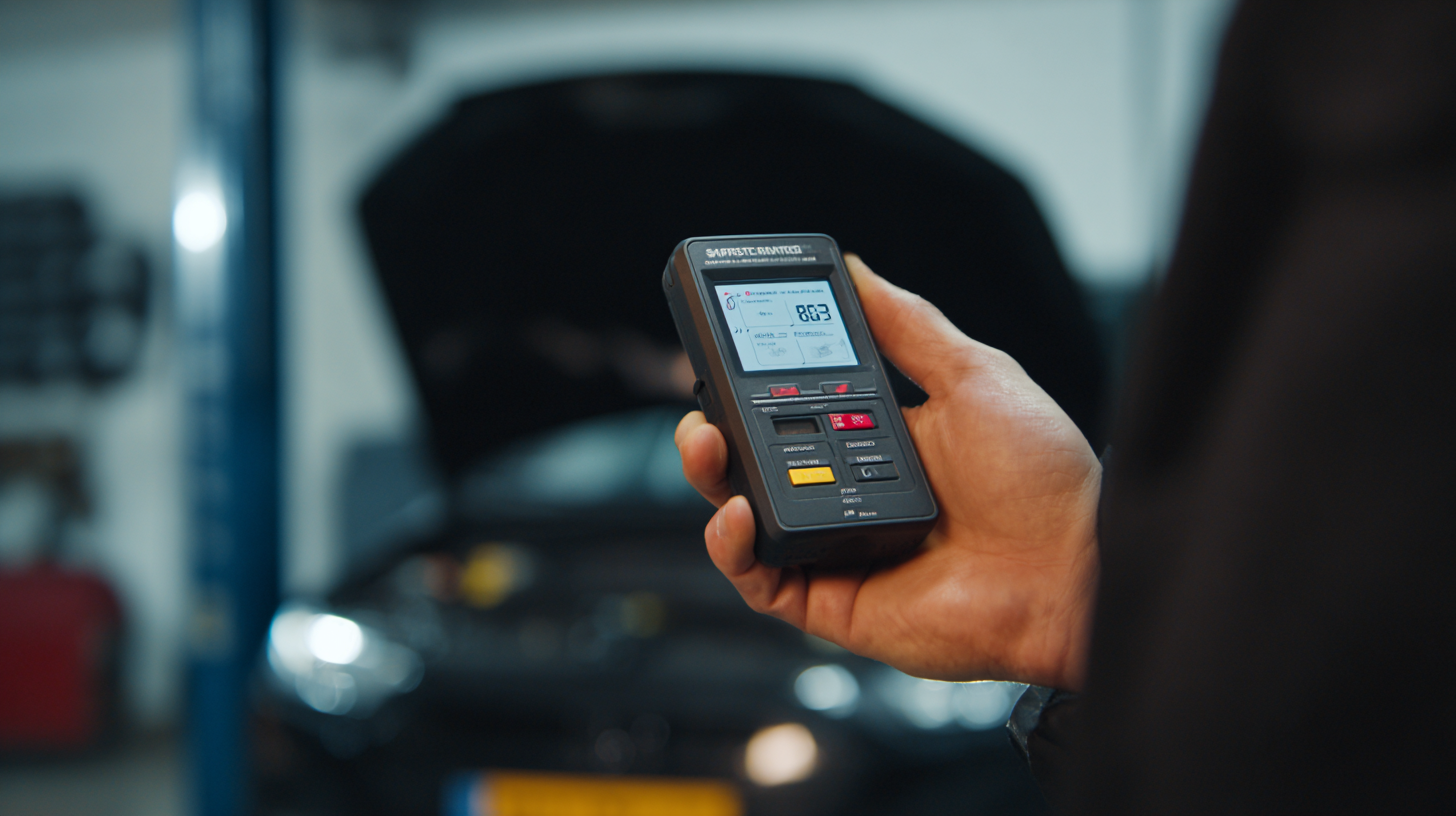
Oh, and by the way, industry standards suggest going for digital battery testers. A study from the American National Standards Institute (ANSI) shows these digital tools are about 30% more accurate than the old-school methods. That kind of precision makes a big difference when you're monitoring battery health, helping you decide when it’s time to replace or service them. Sticking to these testing schedules and standards not only keeps things safer but can also save you money in the long run — it’s a no-brainer in today’s tech-heavy world to stay on top of good battery management practices.
Real-World Impacts of Neglecting Battery Testing on Device Performance
If you want your devices to keep running smoothly, it’s pretty important to regularly check your batteries with a digital battery tester. It might sound like a hassle, but honestly, it can save you from a lot of headaches down the line. Ignoring battery health can lead to all sorts of annoyances—things like devices taking forever to charge, working less efficiently, or even just shutting down unexpectedly. Keeping an eye on your batteries means you can catch any issues early and make sure everything's working like it should, so you’re not caught off guard when you need your device the most.
Think of ignoring your battery’s condition kinda like ignoring your health—bad idea, right? Just like how patients recovering from conditions like Unilateral Spatial Neglect (USN) need consistent rehab to get better, your gadgets also need regular checkups. When you do so, they perform better and last longer. Companies like Shenzhen Hongda New Energy get this — they emphasize the importance of staying ahead of potential problems. By taking some simple proactive steps, you can avoid the frustration of sudden device failures and keep your energy sources reliable and efficient, no matter what you’re using them for.
Understanding the Importance of Regularly Testing Your Batteries with a Digital Battery Tester - Real-World Impacts of Neglecting Battery Testing on Device Performance
| Device Type | Average Battery Lifespan (Months) | Recommended Testing Frequency (Months) | Performance Impact of Neglect | Replacement Cost ($) |
| Smartphones | 24 | 6 | Decreased performance and reliability | 90 |
| Laptops | 36 | 12 | Increased risk of sudden shutdowns | 120 |
| Digital Cameras | 30 | 6 | Reduced image quality and battery failure | 70 |
| Remote Controls | 12 | 3 | Intermittent functioning, replacements needed | 15 |
| Wireless Earbuds | 18 | 4 | Poor sound quality, connectivity issues | 80 |
FAQS
: Regular battery testing is crucial for maintaining optimal performance, identifying weak or failing batteries, and extending their lifespan by managing usage better.
You can assess your battery's health by utilizing a digital battery tester, which measures voltage levels and overall health regularly.
Battery testers can be categorized into traditional analog testers, which provide basic functionality, and modern digital testers, which use advanced algorithms for improved accuracy and capacity estimation.
According to industry standards, batteries should be tested at least once every three to six months, depending on their usage and environmental conditions.
Digital battery testers offer a 30% higher accuracy rate compared to traditional methods, aiding in effective monitoring and informed decisions regarding battery maintenance.
Regular testing helps maximize energy efficiency, reduces waste by identifying batteries that need replacement, and supports more sustainable practices in battery management.
The market for battery testing equipment, especially in the electric vehicle sector, is expected to grow significantly, reaching USD 9.51 billion by 2030 due to rising demand and performance regulations.
The design of lithium-ion batteries impacts their recycling efficiency and emphasizes the importance of selecting the right testing tools to effectively monitor their health.
Routine maintenance and testing enhance battery performance by allowing for early detection of degradation and potential failures, which is critical in applications like renewable energy storage.
Adhering to industry standards for testing frequency and methods can increase safety, improve operational efficiency, and reduce costs across various sectors.
Conclusion
You know, regularly checking your batteries with a Digital Battery Tester is honestly super important if you want them to perform well and last longer. As battery tech keeps getting better and more complex, it’s really helpful to understand how long different types last and how efficient they are. By using a digital tester, you can quickly get a clear idea of your batteries’ health, which helps in making smarter decisions—like avoiding sudden device failures or weird glitches.
Plus, sticking to good testing habits and following industry guidelines for how often you should check your batteries can really make a difference in how well your devices work. Ignoring these checks might seem harmless at first, but it can lead to things like lower efficiency or even unexpected breakdowns—something nobody wants, whether you're running a business or just trying to get through your day.
Here at Shenzhen Hongda New Energy Co., Ltd., we totally get how important it is to keep batteries in top shape. That’s why we offer advanced testing solutions to help our customers worldwide stay reliable and happy with their devices.

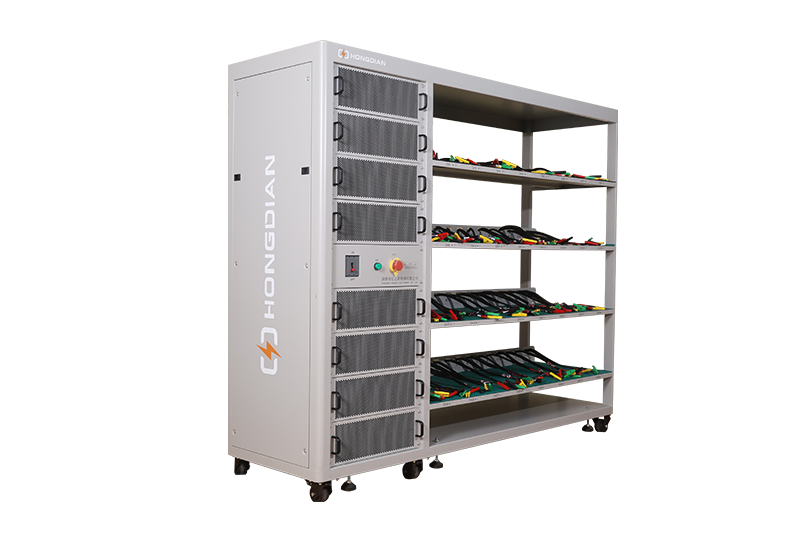 32/48 channel battery charging and discharging test integrated battery cabinet
 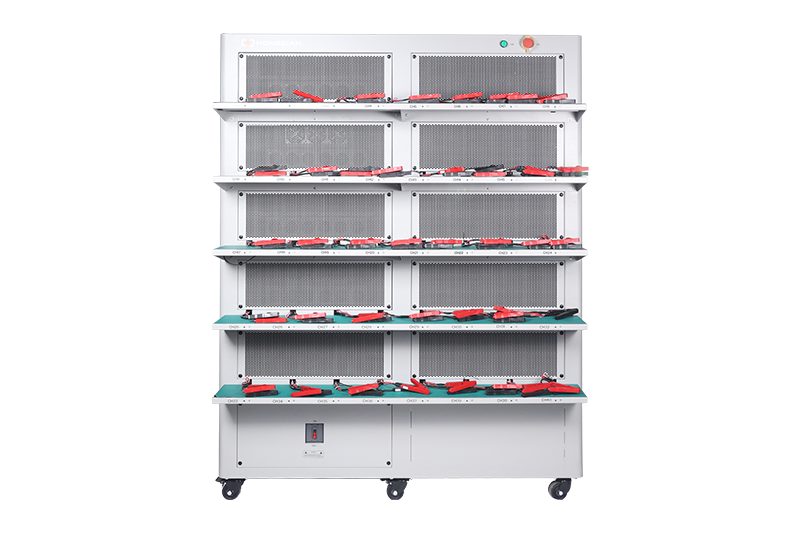 40 channel battery charging and discharging test integrated battery cabinet
  64 channel battery charging and discharging test integrated battery cabinet
 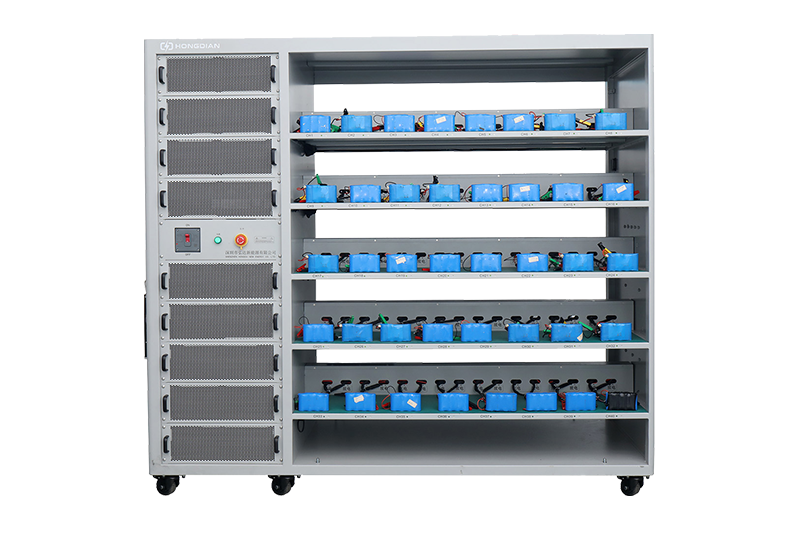 80 channel battery charging and discharging test integrated battery cabinet
 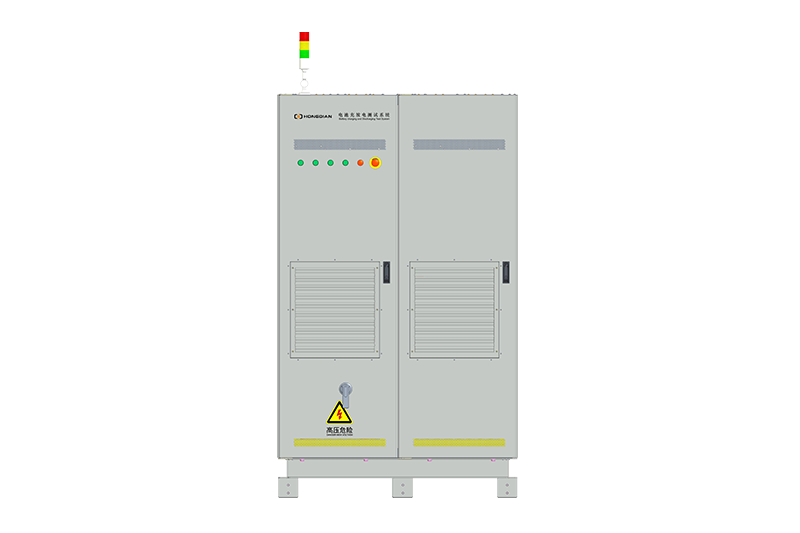 1000V-1500V High Voltage High Current Battery Testing System
 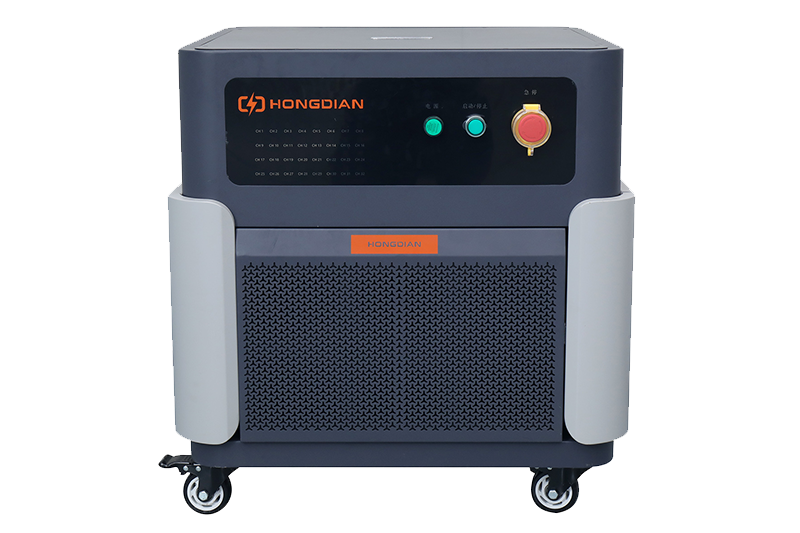 High-Precision Battery Testing System for Enhanced Performance Monitoring 30V/60V/100V/120V
 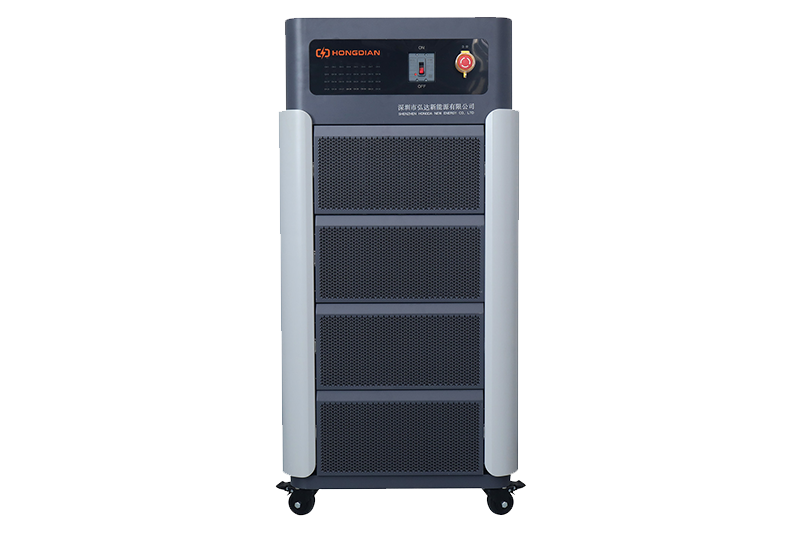 High-Precision Battery Charge Discharge Test Systems for EV Manufacturers
 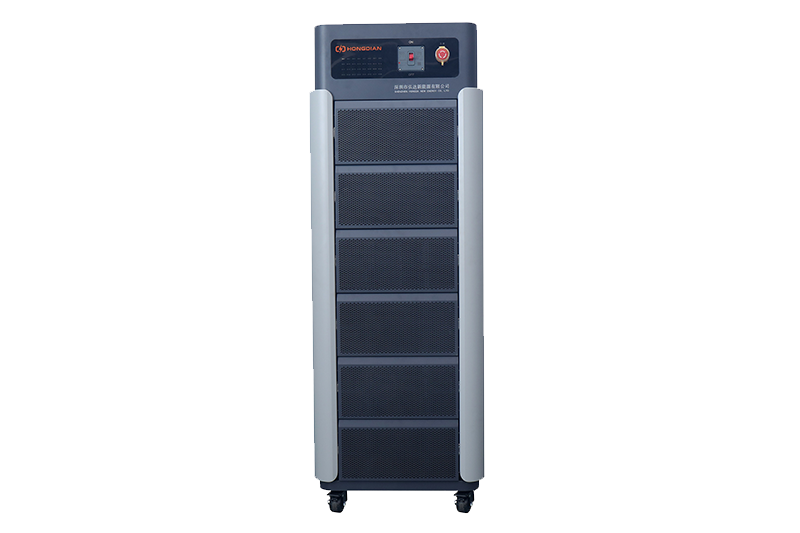 Precision Battery Test Racks for Cell Capacity & Internal Resistance Measurement
 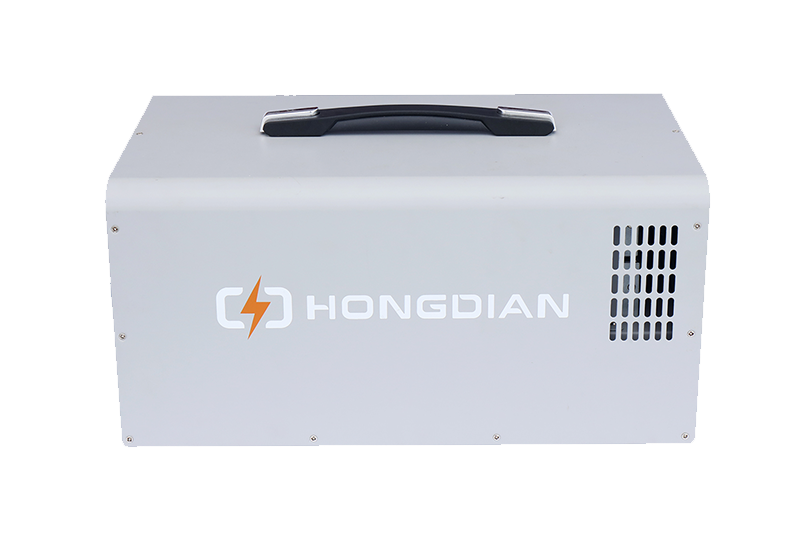 Multi-Channel Battery Testing Equipment for Parallel Performance Analysis